

Blog
Blog
Essays and reflections.
When the Plan Becomes the Mission
When a plan becomes the controlling account of what God must accomplish, the unknown becomes a threat to eliminate, and we can lose the freedom to discern what the Spirit is actually doing.
Read blog
Jesus at the Center
Fixating on suffering as the ultimate test of maturity distorts discipleship. True formation leads us to relieve suffering, share joy, and mirror Christ's compassion together.
Read blog
Introducing Ephesio
While artificial intelligence can synthesize vast data, it cannot share meals or walk local markets. This new tool pairs technology with human observation to help us see where God is already at work.
Read blog
Friends in Stone
If Luke's Theophilos had served among the Kouretes—young men bound to Artemis's nativity mythology—then Luke's unique emphasis on the birth of Jesus becomes a direct theological challenge to Ephesian sacred power.
Read blog
When Ink Confesses
These fragments document more than words exchanged, stories remembered, or texts copied—they preserve material evidence of what Christians believed, inscribed not only in the content scribes wrote but in the distinctive way they marked sacred names with reverence.
Read blog
What is Missiological Spirituality?
When theology, spirituality, and mission are separated, we risk falling into intellectualism or mere activism. Integrating them forms a lifelong rhythm of humble communion with God.
Read blog
Theology & Sociology of Movements
The statement cannot mean that Paul personally preached to every inhabitant of the Roman province. Even the most energetic apostle could not have reached that many people by himself.
Read blog
Why Missiological Theology Matters
Her father had died, and she was offering us pomana, a customary Romanian gift made in memory of the deceased. At first glance, the situation seemed straightforward.
Read blog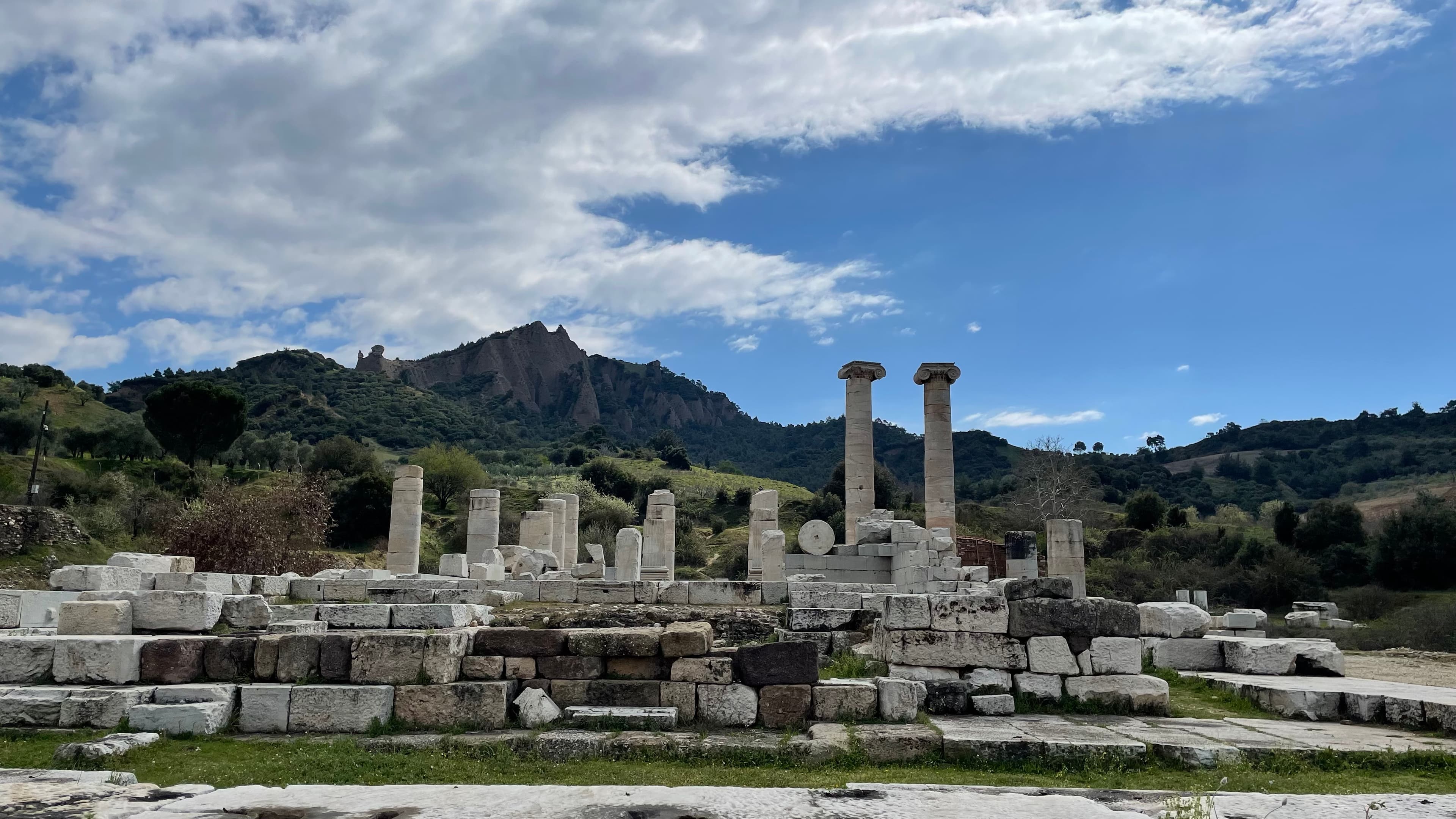
When the Stones Continue to Speak
Archaeology allows us to recover the contested environment in which early Christians proclaimed Jesus, revealing the courage, wisdom, and contextual sensitivity required to confess him as God, Lord, and Savior within cities already saturated with temples, imperial monuments, and competing claims to divine authority.
Read blog
What Is Cultural Engagement?
Evangelical identity unhooked from missiology defaults to the culture war. Missiological cultural engagement reads a people until the gospel can be public without syncretism or withdrawal.
Read blog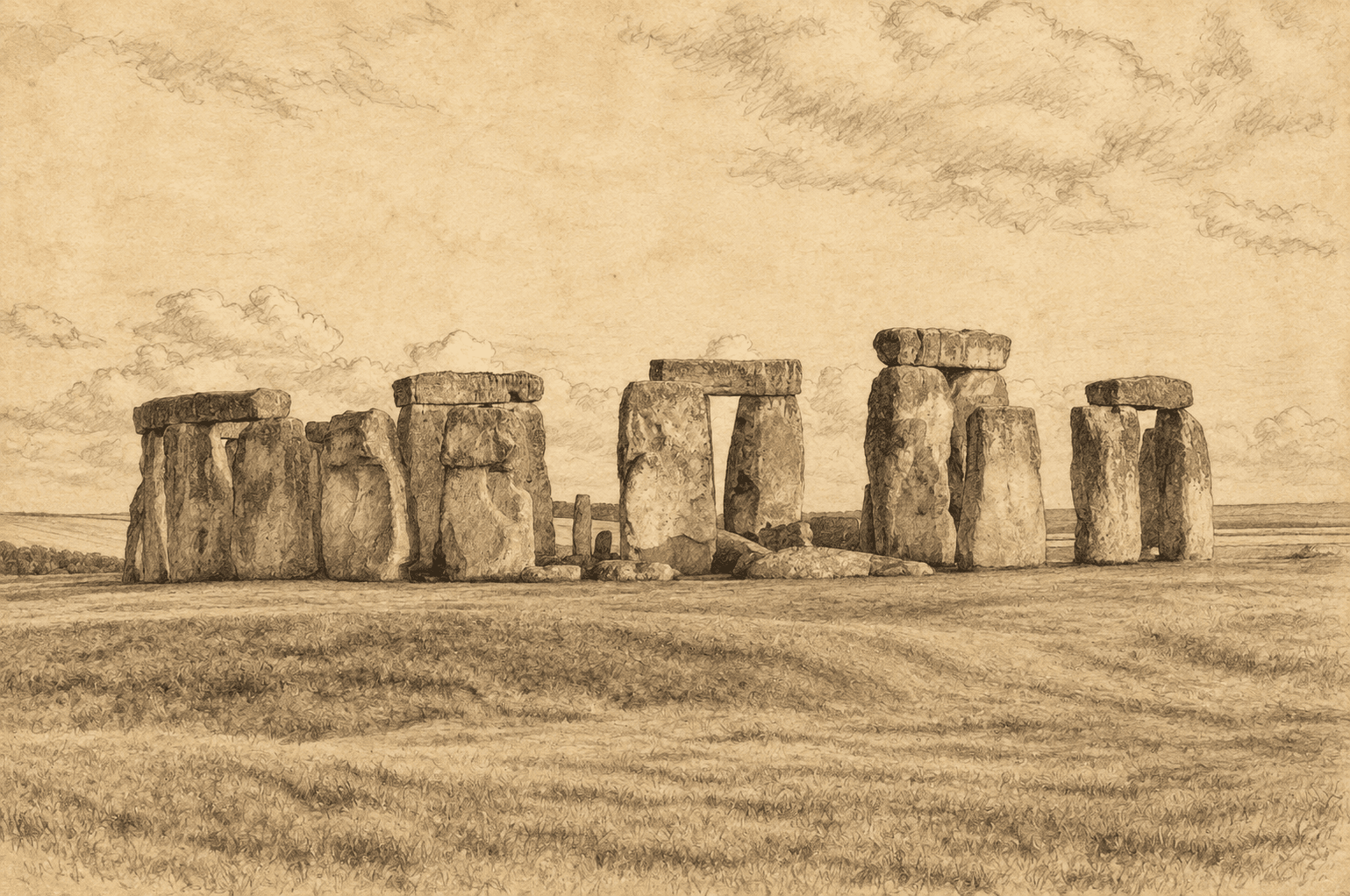
Why a Theology and Sociology of Movements?
When a religious movement begins to grow, two kinds of questions quickly emerge. The sociologist asks: What relationships carried the movement? What identity did it offer?
Read blog
Understanding Movemental Ecclesiology?
We go to church, enter the church, sit in church, and leave church when the service ends.
Read blog
What Is Christoform Leadership?
Leaders are encouraged to become visionary, strategic, transformational, adaptive, entrepreneurial, or servant-hearted.
Read blog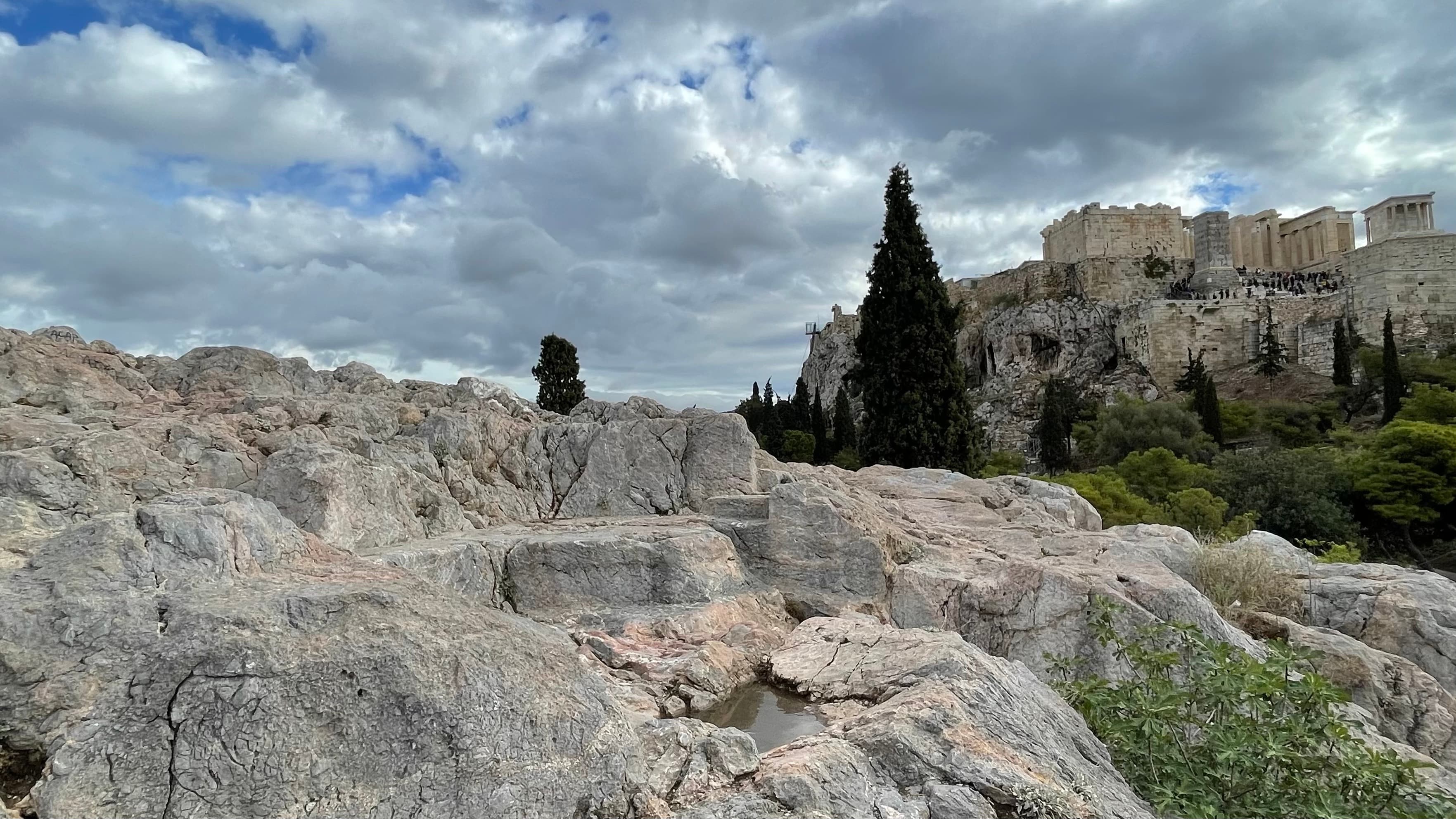
What Is Missiological Theology?
Mission is not a chapter in the systematic. Missiological theology reads the whole Bible as God's self-sending, then adapts forms so a people can join that sending.
Read blog
What Is Missiological Archaeology?
The New Testament leaves a material gap. Missiological archaeology reads Asia Minor's stones so planters stop importing church forms the first centuries never used.
Read blog