

What Makes Theology Missiological?
Theology has never been entirely separated from mission. Every Christian confession says something about the God who creates, reveals, reconciles, and sends. Yet theology does not become missiological merely because it includes a chapter on evangelism or provides biblical support for a missionary program. Theology becomes missiological when it begins with the God who is already moving toward the world and then asks how the people of God might faithfully participate in that movement.
This distinction is more significant than it may first appear. When mission is treated as one activity of the church, the church easily becomes the center of the story. We begin with our institutions, identify our resources, develop our strategies, and then ask God to bless what we have decided to do. A missiological theology reverses that order. It begins with the life and mission of the triune God. The first question is not, “What should the church do?” but, “What is God already doing, and how might his people faithfully join him?”
Beginning with the Missionary God
Christian mission originates neither in human need nor in ecclesial ambition. It originates in God. The Father sends the Son; the Father and the Son send the Spirit; and the triune God draws humanity into his reconciling life. Mission is therefore more than obedience to a command, although it certainly includes obedience. Mission is participation in the life and movement of God.
In Missiological Theology, I describe this as the perichoretic mission. The historic language of perichoresis speaks of the mutual indwelling and dynamic life of the Father, Son, and Holy Spirit. The mission of God flows from this communion. God does not turn toward creation as an isolated individual or engage the world through a division of divine labor. The Father, Son, and Spirit act inseparably in creation, revelation, reconciliation, and redemption. The ancient theological principle of omnioperatio reminds us that every work of God toward creation is the work of the triune God.
The significance for practitioners is immediate. Missionaries, pastors, and church planters do not carry an absent God into spiritually empty places. There is no culture beyond God's presence and no people among whom God has been completely inactive. God precedes the missionary. He is already sustaining life, awakening questions, exposing false loyalties, sowing truth, and drawing people toward himself. The missionary arrives as a witness to a divine activity that began long before his or her arrival.
This is why I have found the language of motus Dei, the movement of God, helpful alongside missio Dei, the mission of God. Mission can be reduced in our imagination to a task, plan, or enterprise. Movement directs our attention to the living God who is present and active. The church does not generate this movement. The church is privileged to discern and participate in it.
Seeing Culture as a Place of Divine Activity
If God is already active in the world, culture cannot be treated merely as a barrier that the gospel must overcome. Culture is the human environment in which people seek meaning, construct identities, order relationships, express hopes, and respond to experiences of transcendence. It bears the marks of both human dignity and human rebellion. It may conceal truth, but it may also preserve questions, longings, symbols, and moral insights that prepare people to recognize the good news of Jesus.
The early Christian idea of logos spermatikos, the seed-bearing Word, provides useful language for this reality. Justin Martyr believed that seeds of the Logos could be found among peoples and philosophies beyond the visible boundaries of the Christian community. Such seeds were not the fullness of the gospel, nor did they make the proclamation of Christ unnecessary. Rather, they testified that the eternal Word had not left himself without witness.
This is what A. K. Amberg and I describe as missiological parallelism. Within a culture, we may discover stories, rituals, values, or aspirations that run parallel to dimensions of the gospel. A story of sacrifice is not necessarily the gospel, and a cultural longing for justice is not the kingdom of God. Yet each may become a point of meaningful encounter through which Jesus can be made explicit. The practitioner does not uncritically baptize the culture, nor does the practitioner dismiss it as spiritually barren. Instead, the missionary listens carefully, discerns communally, and asks where the eternal gospel may already be casting its shadow.
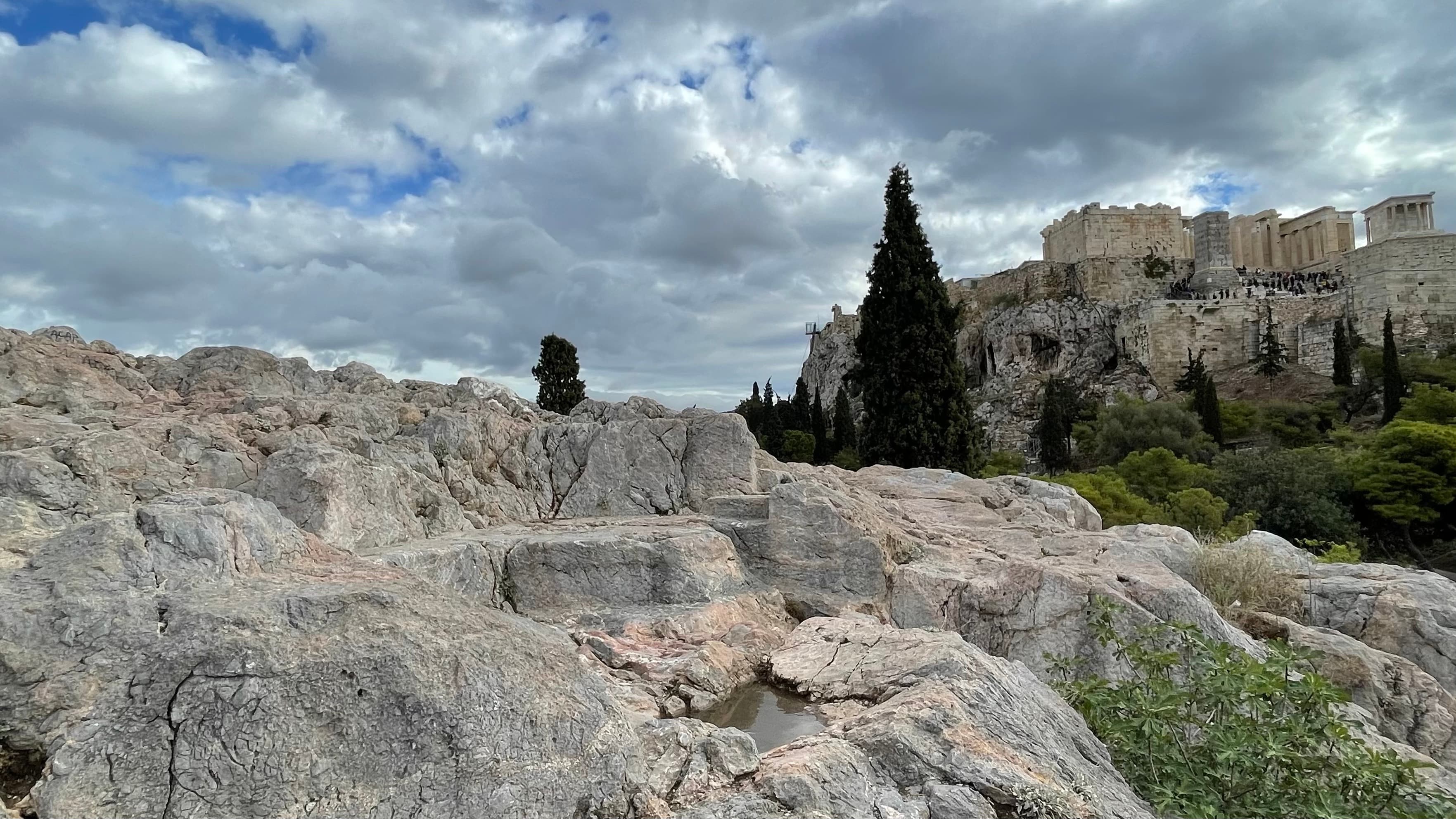
Paul modeled this posture in Athens. He was troubled by the city's idols, but he was also attentive to its religious life. He walked through the city, observed its objects of worship, remembered its poets, and began his proclamation from an altar dedicated to an unknown god. Paul neither affirmed Athenian religion as sufficient nor treated the Athenians as people without any awareness of God. He identified a point of contact and used it to make the risen Jesus known.
Bringing Theology into the Real World
Theology becomes missiological when it leaves the illusion of a culturally neutral vantage point. Every theology is articulated in a language, shaped by questions, and expressed through inherited forms. This does not mean that truth is relative. It means that our understanding and communication of truth are always situated.
My years of ministry in Romania made this unavoidable for me. I arrived with a concise Western presentation of the gospel that began with the assurance that God loved the listener and quickly moved to individual sin and separation from God. The theology was not false, but I discovered that its arrangement assumed questions formed in another cultural world. Romanians emerging from decades of communist oppression possessed different memories, wounds, religious identities, and understandings of God's presence. Faithfulness required more than translating Western sentences into Romanian. It required theological reflection within the Romanian story.
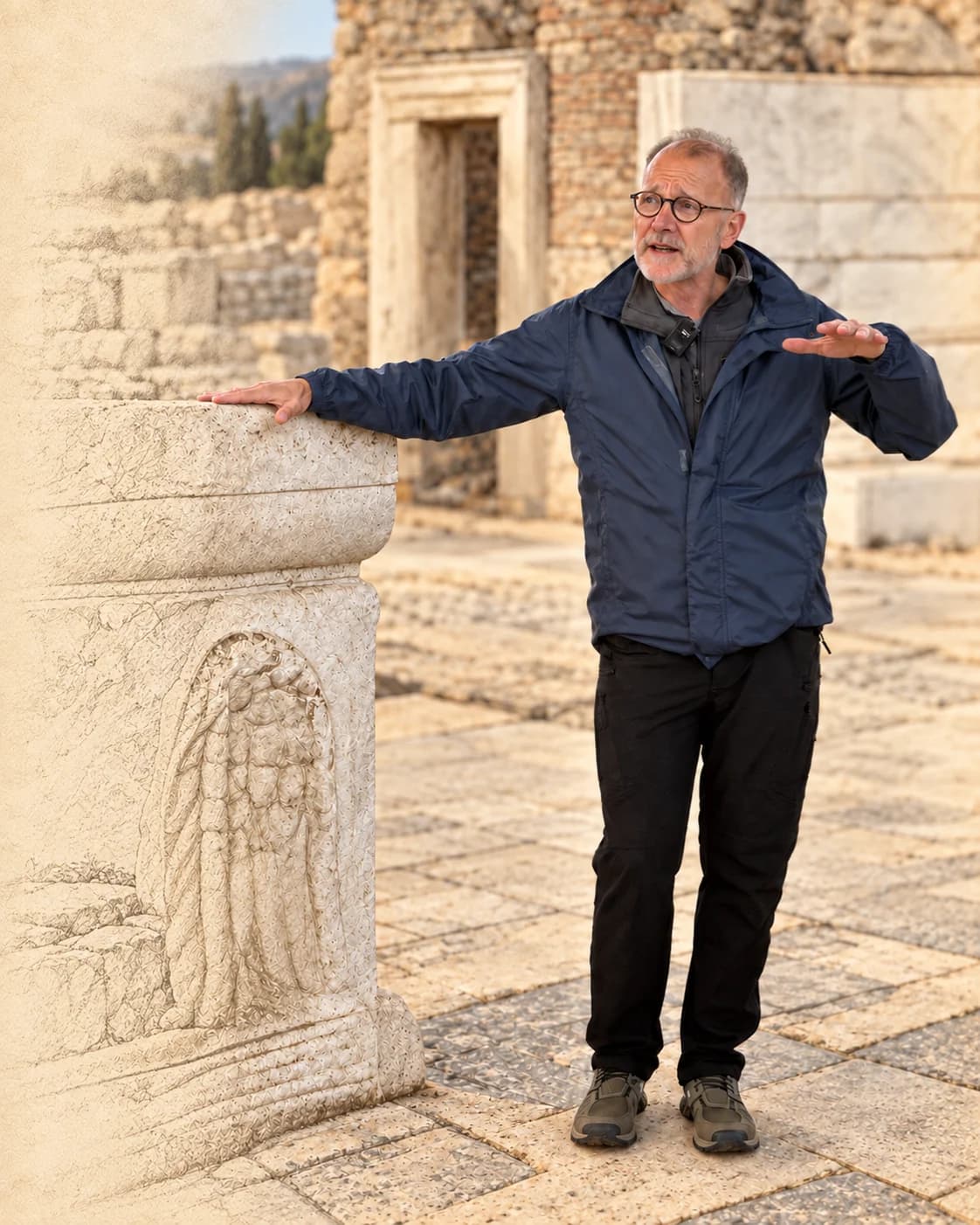
The same lesson became increasingly clear as I studied Ephesus. As I argue in Gods, Emperors, Philosophers, and a New Movement, the early Christian movement took shape amid temples, imperial images, philosophical claims, commercial interests, household structures, and competing stories about the gods. Paul's proclamation that Jesus is Lord was not an abstract doctrinal statement. It announced a new allegiance within a world crowded with rival powers. Archaeology helps us recover that world and reminds us that New Testament theology was articulated in contested cultural spaces.
Theology becomes missiological, therefore, when it asks not only, “Is this statement true?” but also, “What does this truth mean among these people, in this place, under these conditions?” The first question guards the apostolic substance of the faith. The second presses us toward a faithful cultural expression of that substance. We need both.
Theology as Communal Discernment
Missiological theology is not the private construction of a missionary expert. It emerges through a hermeneutical community gathered around Scripture and attentive to the Spirit. Scripture remains authoritative, but no interpreter approaches Scripture without cultural assumptions. The community helps expose those assumptions, brings neglected questions to the text, and tests possible expressions of the gospel.
This communal dimension appears throughout Paul's ministry. As I emphasize in Lead Like Paul, Paul was not an isolated religious entrepreneur carrying out a private vision. His ministry unfolded within a relational ecosystem of apostles, prophets, evangelists, shepherds, teachers, patrons, household leaders, messengers, and fellow workers. Even his apostolic discernment took place among co-laborers. In Acts 16, Paul and his companions were redirected by the Spirit away from one field and toward Macedonia. The text moves naturally from what the Spirit prevented to what “we” concluded God was calling them to do. Discernment became shared participation.
For contemporary practitioners, this means that contextual theology should be developed with people, not merely delivered to them. Local believers are not simply recipients of theological conclusions produced elsewhere. They are participants in the work of listening to Scripture, examining their world, identifying the questions being asked, and discerning forms of Christian life that faithfully embody the story of Jesus.
This process requires interdisciplinary attention. Biblical studies help us listen carefully to Scripture. History and archaeology recover worlds that are otherwise easily flattened. Anthropology teaches us to attend to meaning and cultural patterns. Sociology helps us observe relationships, networks, institutions, and social change. Theology brings these conversations into disciplined reflection on God and his work. Missiology holds the conversation close to the lived encounter between the gospel and culture.
From Reflection to Participation
Missiological theology does not end with a better definition. Its trajectory is participation. It seeks culturally meaningful expressions of the story of Jesus and communities capable of embodying that story where they live. Theology is not complete when the practitioner can describe the mission of God. It must shape the way we enter relationships, exercise leadership, form communities, confront rival allegiances, and bear witness to Christ.
This conviction stands behind the framework I developed in Ephesiology. The goal is not to recover a romanticized version of the first-century church or reproduce ancient forms without regard for context. It is to allow the movement of God witnessed in Ephesus to help us imagine faithful forms of ekklēsia in our own settings. The gospel remains centered on Jesus, but its communal embodiment must take meaningful form among particular people.
Missiological theology therefore cultivates a particular posture. It approaches the world with curiosity because God may already be at work in ways we have not recognized. It pursues discovery through Scripture, culture, history, and community. It pauses for reflection rather than rushing from information to strategy. It recovers wonder before the mystery of the triune God's presence and activity. Finally, it moves toward participation, joining what God is doing with humility, courage, and hope.
What makes theology missiological? It is not simply the presence of missionary vocabulary. Theology becomes missiological when the missionary God becomes its starting point, Jesus remains its center, culture becomes a place of careful discernment, the community becomes an active interpreter, and faithful participation becomes its trajectory. Such theology does more than help the church think about mission. It recalibrates the church to the movement of God.